Long before the Al Rashid Foundation of Canada was established, there was a vision, a vision born not out of convenience, but out of necessity: a place where Muslims in Edmonton could gather to pray, support one another, and preserve their faith and culture in a new land.
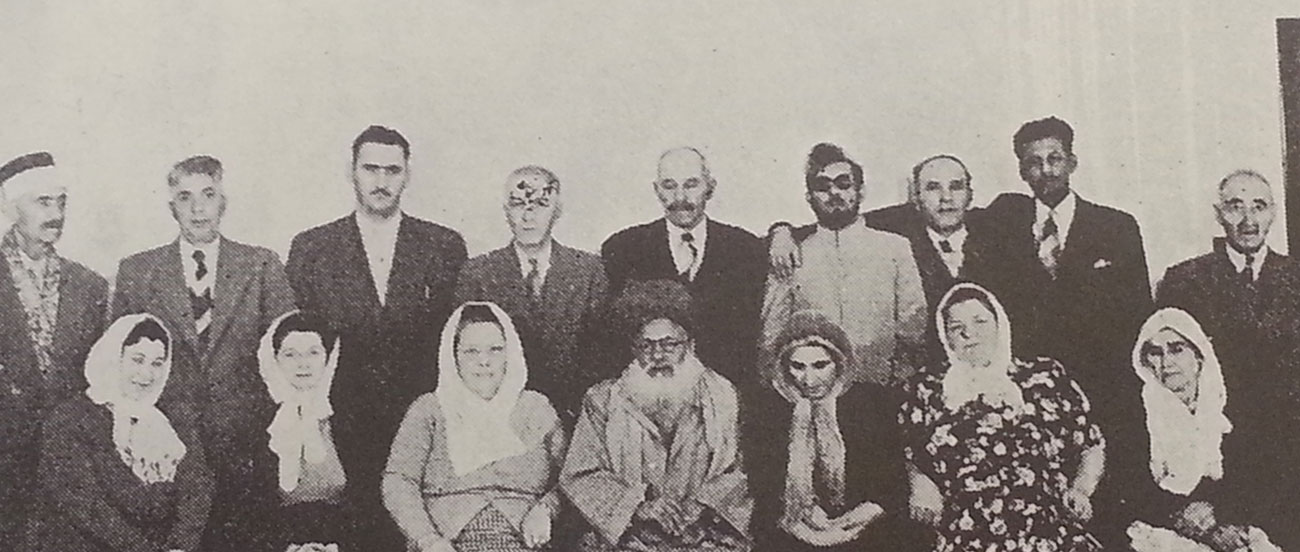
In the early decades of the 20th century, Canada’s Muslim population was small and widely dispersed, but growing steadily. By the 1930s there were roughly 700 Muslims in the entire country, many of whom lived in and around Edmonton, drawn by economic opportunity and the city’s role as a gateway to the West. They worked as merchants, tradespeople, and labourers, and they brought with them deep commitments to community and worship.
Amidst this emerging community stood Hilwie Hamdon, a woman of quiet determination and clear purpose. Born in Lebanon and settled in Alberta with her family, Hilwie recognized that for faith to thrive, it needed a home, a dedicated place for prayer, learning, and community life. She stepped forward with courage that was unusual for her time. In an era when few women held public leadership roles, she petitioned Edmonton’s mayor for land, rallied her neighbours, and led fundraising efforts that would change the course of Canadian Muslim history.
The community responded. Muslim families contributed what they could, neighbours of other faiths offered support, and through bake sales, door-to-door collections, and personal gifts, including contributions from Indigenous, Christians and Jews, enough funds were gathered to make the dream real.
On December 12, 1938, that dream became tangible. The doors of Al Rashid Mosque opened for the first time as the first purpose-built mosque in Canada and one of the earliest in North America. It was more than a building; it was a declaration that Muslim life had a rightful place in the Canadian story. Its single dome and simple architectural lines, influenced by the backgrounds of those who built it, reflected both the community’s humility and its aspirations.
For decades, that mosque was the beating heart of Muslim life in Edmonton. It served as a centre of worship, of solidarity, of identity, and of education. Over time, as the Muslim population grew, especially after immigration reforms in the late 1960s and 1970s brought new arrivals from South Asia, the Middle East, Africa, and beyond, the community’s needs expanded.
By the 1970s and 1980s, Edmonton’s Muslim community had outgrown the original mosque. A larger mosque was constructed to serve daily prayers and communal gatherings, while the original building stood as a reminder of humble beginnings. When urban development put the original structure at risk of demolition, community leaders once again stepped forward. Mobilized by the Canadian Council of Muslim Women, volunteers and advocates worked to preserve the building for future generations. Their efforts moved the historic mosque to Fort Edmonton Park in 1992, where it stands today as a testament to perseverance, cooperation, and shared heritage, not just for Muslims, but for all Canadians to understand and appreciate.
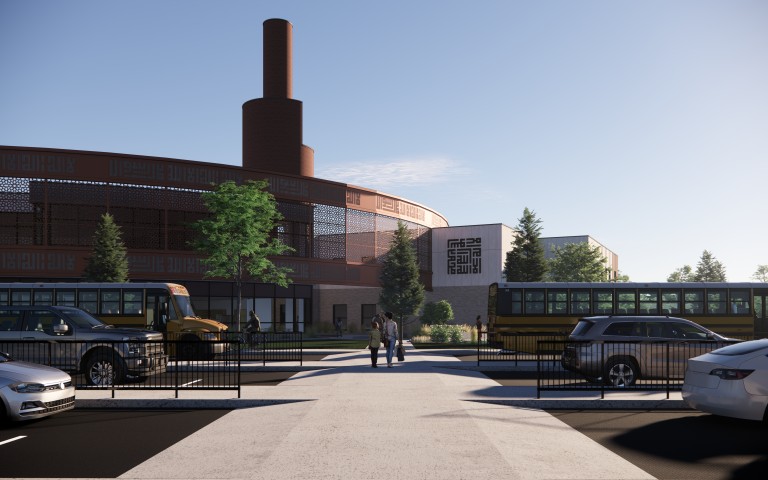
As the original mosque became a symbol of heritage and interfaith understanding, the broader community continued to grow and evolve. Edmonton’s Muslim population expanded in size and diversity, reflecting dozens of cultures and languages. New institutions emerged to meet emerging needs: schools where children could learn both faith and academic excellence, community centres offering social services and support, and programs that nurtured youth, supported families, and engaged seniors.
Over time, this constellation of institutions developed organically, shaped by community volunteers, leaders, and families who cared deeply about both their faith and their place in Canadian society. Recognizing that this growth needed leadership, vision, and stewardship, community leaders came together to establish the Al Rashid Foundation of Canada. The Foundation was created not as a departure from the mosque’s legacy, but as its natural extension, a structure that could guide, support, and sustain institutions rooted in that legacy, while enabling them to serve the evolving needs of the community with coherence, accountability, and impact.
Today, the Foundation’s story is inseparable from the people it serves. What began as a single place for prayer has become a network of faith-centred institutions that educate children, support families, empower leaders, and contribute to the social fabric of Edmonton and Canada. The spirit that drove early pioneers like Hilwie Hamdon, the spirit of courage, collaboration, and service, continues to define the community’s growth and aspirations.
Together, these milestones tell the story of how Al Rashid grew, steadily, intentionally, and always rooted in service.
1830s–1840s – Mahommah Gardo Baquaqua, a West African Muslim, passed through Canada after escaping enslavement in the Americas. He was literate in Arabic and practiced Islam, representing one of the earliest recorded Muslim presences connected to Canada.
2012 – Al Rashid Mosque celebrated a major financial milestone by closing an $11 million loan and launched the national outreach campaign “Muhammad ﷺ: You Deserve to Know Him.”
The creation of the Al Rashid Foundation of Canada marked a new chapter, not a departure from the past, but its natural continuation.
After decades of organic growth, community leaders recognized the need for long-term stewardship: a structure that could provide governance, alignment, and sustainability while honouring the independence and purpose of each institution. The Foundation was created to carry forward what generations had built, ensuring that services remained strong, accountable, and responsive in an increasingly complex world.
Today, the Foundation exists to safeguard a legacy nearly a century in the making, so that future generations inherit not only buildings and programs, but a community grounded in faith, service, and responsibility.
Our story is not finished. It continues with every child educated, every family supported, every elder cared for, and every act of service rooted in faith and compassion.
What began with courage, cooperation, and belief continues today with intention, leadership, and care, guided by the same spirit that opened the doors of Canada’s first mosque nearly one hundred years ago.